The Evolution and Impact of Slot Gaming in Modern Entertainment
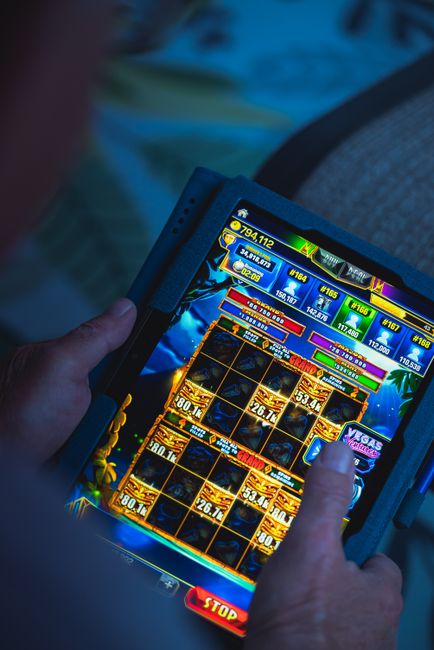
The Origins of the Slot Machine
The first mechanical slot machine, the Liberty Bell, was invented by Charles Fey in 1895 in San Francisco. It featured three spinning reels with symbols such as horseshoes, diamonds, spades, and a cracked Liberty Bell. This simple machine paid out in coins when three identical symbols aligned, laying the foundation for a multibillion-dollar industry. Over the next century, slot machines evolved from mechanical levers to electro-mechanical devices and, eventually, to fully digital video slots. Today, the term slot encompasses a vast array of games available in land-based casinos, online platforms, and mobile devices.
How Slot Machines Work: Random Number Generators and RNG
Modern slot machines operate on a core technology known as the Random Number Generator (RNG). RNGs are algorithms that produce thousands of random sequences per second. When a player presses the spin button, the RNG selects a random combination of symbols, determining the outcome. This ensures that each spin is independent and unpredictable. The Return to Player (RTP) percentage—typically between 85% and 98%—indicates the theoretical payout over millions of spins. For example, a slot with a 96% RTP will return $96 for every $100 wagered in the long run, though individual sessions vary widely due to volatility or variance, which measures risk versus reward frequency.
The Psychological Appeal: Why Players Love Slots
Slot machines are designed to maximize player engagement through near-miss effects, variable rewards, and sensory feedback. Psychologists attribute the appeal to intermittent reinforcement: random wins trigger dopamine release, creating a pleasurable loop. Features like flashing lights, celebratory sounds, and bonus rounds exploit human cognitive biases. The slot industry also employs themes from pop culture—movies, mythology, adventure—to attract specific demographics. Multi-line payouts, progressive jackpots, and free spins add layers of excitement, making slots one of the most addictive forms of gambling.
Regulation and Responsible Gaming
Given their addictive potential, slot machines are heavily regulated in most jurisdictions. Licensing authorities like the UK Gambling Commission, Malta Gaming Authority, and state regulators in the United States enforce strict standards for RNG fairness, RTP disclosure, and responsible advertising. Many casinos now offer voluntary self-exclusion programs, deposit limits, and reality checks. Online slots include additional safeguards: loss limits, time-out features, and links to problem gambling support organizations. However, critics argue that the sheer speed of play—especially on digital slots—amplifies financial risk, necessitating stronger global oversight.
Online Slots: The Digital Revolution
The internet transformed slot gaming. Online casinos offer thousands of instant-play games with RTPs often higher than land-based machines due to lower overhead. Software providers like NetEnt, Microgaming, and Playtech compete to deliver immersive graphics, 3D animations, and storylines. Features include megaways mechanics—which offer up to 117,649 ways to win—and buy-a-bonus options. Live dealer slots, though rare, combine RNG with real-time streaming. Mobile compatibility has further expanded the market, allowing players to spin from anywhere. The slot market now generates over $100 billion annually, with online slots capturing a growing share.
Strategies and Myths: Separating Fact from Fiction
Many players believe in strategies to beat slots, such as timing spins, tracking hot or cold machines, or using progressive betting systems. In reality, slots are games of pure chance. No skill or pattern can predict outcomes because RNGs ensure randomness. Progressive jackpot slots, while tempting, have lower base RTPs to fund the growing prize pool. A common myth is that a machine is “due” for a payout after a long cold streak; this is false because previous spins do not influence future results. The only effective “strategy” is to manage bankroll, choose high RTP games, and treat play as entertainment rather than an income source.
Future Trends: VR, Blockchain, and AI Slots
Emerging technologies are reshaping the slot landscape. Virtual Reality (VR) slots immerse players in 360-degree casino environments where they can physically pull levers. Blockchain-based slots offer provably fair RNG through transparent ledger systems, and cryptocurrencies enable anonymous transactions. Artificial intelligence is being used to personalize game recommendations, adjust difficulty, and detect problematic gambling patterns. Regulatory sandboxes in jurisdictions like the Isle of Man and Curacao are testing these innovations. As technology advances, slots will likely become more interactive, social, and data-driven, but the core appeal—unpredictable, rapid rewards—will remain unchanged.
Conclusion: The Enduring Appeal of the Spin
The slot machine has come a long way from Fey’s Liberty Bell. It is now a cultural icon, a source of massive revenue for governments and corporations, and a subject of intense psychological and regulatory scrutiny. Whether you play at a smoky casino floor or on a smartphone during a commute, the fundamental experience is the same: a moment of suspense, a rush of dopamine, and the hope of a life-changing jackpot. As the industry evolves, understanding the mechanics, risks, and entertainment value of slots is essential for both players and policymakers. The next spin could be the one—but responsible play ensures the thrill stays where it belongs: in the realm of fun.